3 Districts Back COMET 2: A Community-Led Response to Malawi’s HIV Prevention Financing Gap
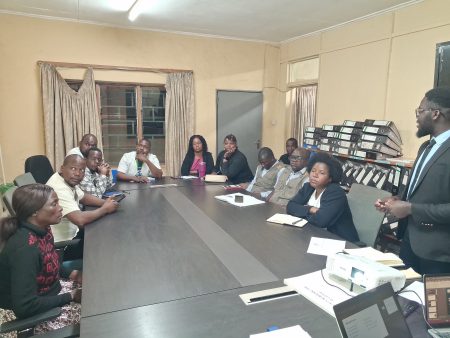
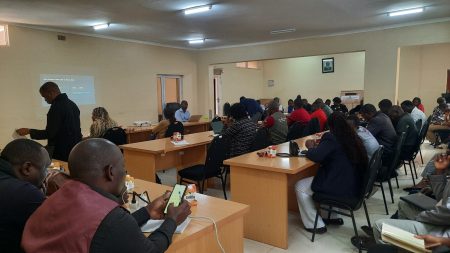
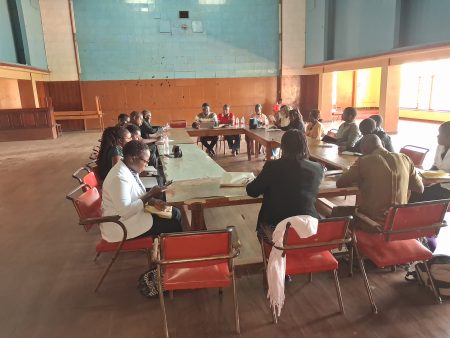
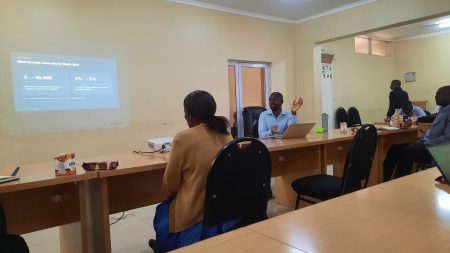
Between 17 and 25 August 2026, the JONEHA-COWLHA Consortium held a series of entry meetings across Zomba, Mulanje, and Phalombe Districts, walking CLMPivot (COMET 2) through the districts’ full approval structure: the District Health Management Team (DHMT), the District AIDS Coordinating Committee (DACC), and finally the District Executive Committee (DEC). Each body granted formal, unanimous endorsement, clearing the way for the project to begin implementation.
Why the 3 Districts, Why Now
Malawi’s HIV response depends heavily on external donors. PEPFAR and the Global Fund together account for more than 98% of national HIV expenditure, while the Government of Malawi contributes just 1.1%, most of it restricted to logistics rather than direct service procurement. Prevention fares worse still, receiving only 7% of total spending against a 25% target set by the Global Prevention Coalition. The consequences became visible in 2025: following PEPFAR funding cuts, Malawi recorded 12,000 new HIV infections, above its 11,000 target. Data from the Naomi Spectrum planning software identifies southern Malawi, and the 3 districts in particular, as carrying the country’s highest HIV burden and among the hardest hit by the funding disruption.
What the Project Does
CLMPivot trains local community members as data collectors who track how domestic HIV financing, including Direct Facility Funding and the Constituency Development Fund, moves through the system. The pilot centres on nine facilities identified by the DHMT across Zomba, Mulanje, and Phalombe districts: Chingale, Matawale, and Naisi; Mpala, Mukanje, and Muloza; Nkhulambe, Mpasa, and Rev. John Chilembwe respectively. The evidence generated will feed into national advocacy pushing government to fund long-acting prevention technologies such as CAB-LA and Lenacapavir, currently 100% donor funded, with a target of reaching 5% domestic investment by March 2027.
What Happens Next
With all three district structures on board, the Consortium is finalizing recruitment and training of local data collectors ahead of the first data collection phase, due to begin in September 2026.
#COWLHA #JONEHA #COMET2 #CLMPivot #HIVPrevention #HealthFinancing #Malawi