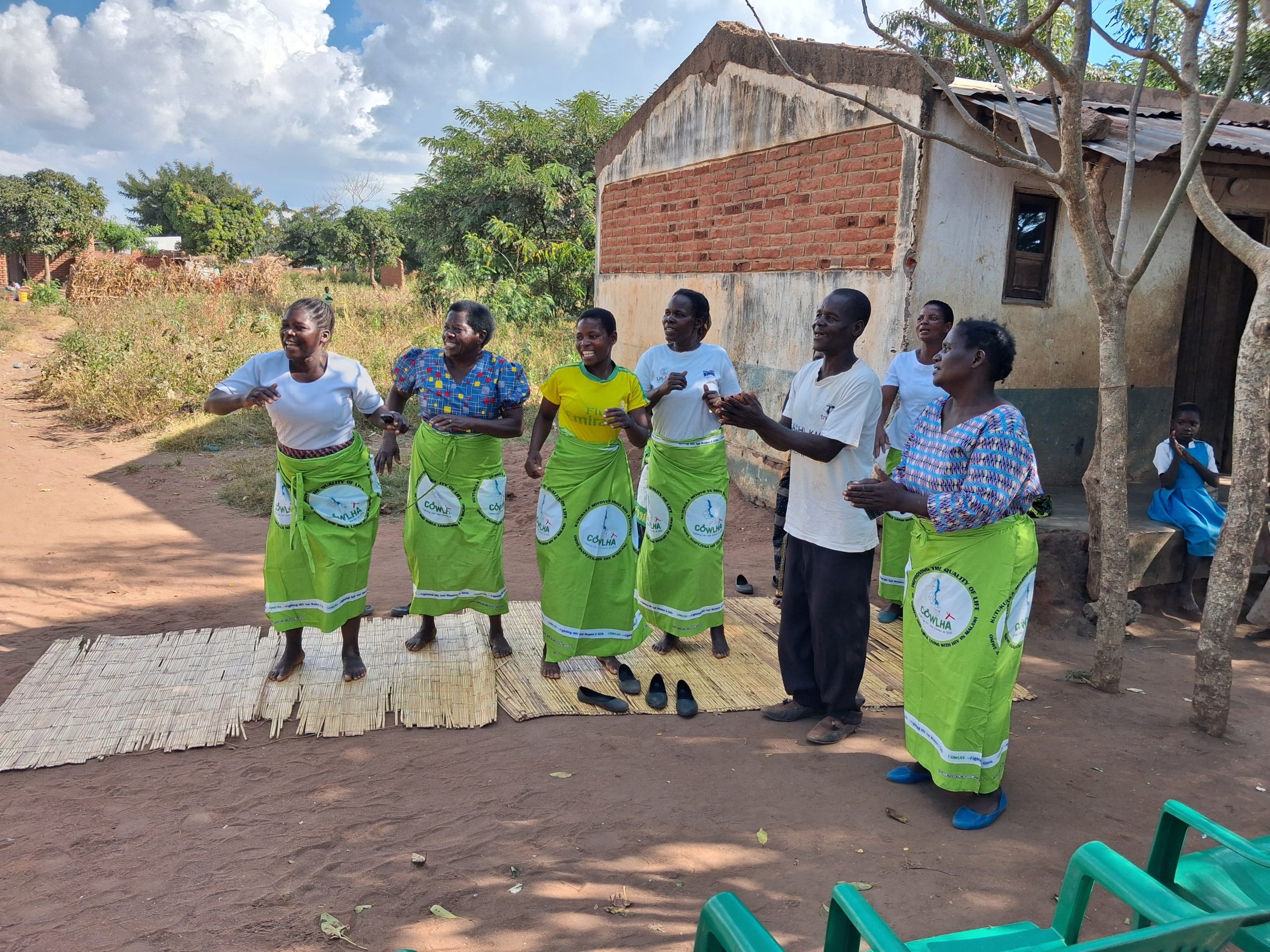
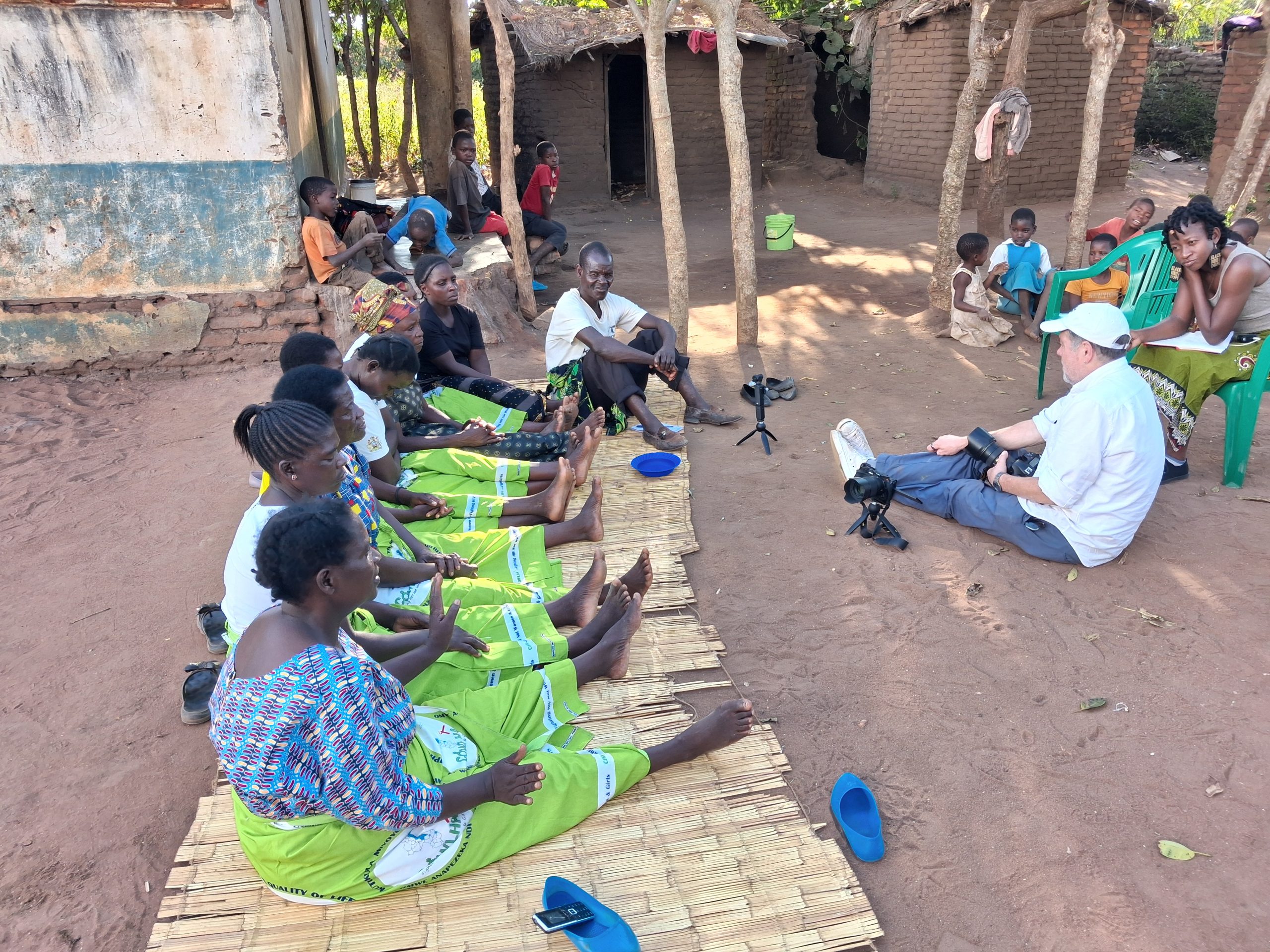
There is a moment in every documentation visit when the notebook goes down, the camera gets forgotten, and something real takes over. For Eric Bond, a humanitarian documentarian with the Elizabeth Glaser Pediatric AIDS Foundation (EGPAF), that moment came in Mitundu, on a Friday afternoon, when the Luzi support group turned the music up and he found out he had two left feet. He joined in anyway.
But let us start from the beginning.
Last week, COWLHA (Coalition of Women Living with HIV and AIDS) hosted Eric Bond at our secretariat in Lilongwe. His mission was to document the work COWLHA is doing in partnership with the Ministry of Health and other stakeholders to eliminate vertical transmission of HIV from mothers to their children, a goal known as EMTCT (Elimination of Mother-to-Child Transmission).
After productive sessions with COWLHA management on Thursday, Eric traveled a few miles out of the city to Mitundu the following day to hear directly from the Luzi support group, a community of mentor mothers, HIV-positive individuals, and male champions who have been doing this work quietly and consistently since 2016.
A Community That Built Its Own Foundation
The Luzi support group is made up of 25 members, five of whom are men who are also living with HIV and serve as male champions in their community. Together with personnel at Mitundu Health Facility, the group actively conducts HIV testing services, ensuring that residents in and around Mitundu have access to testing and linkage to care.
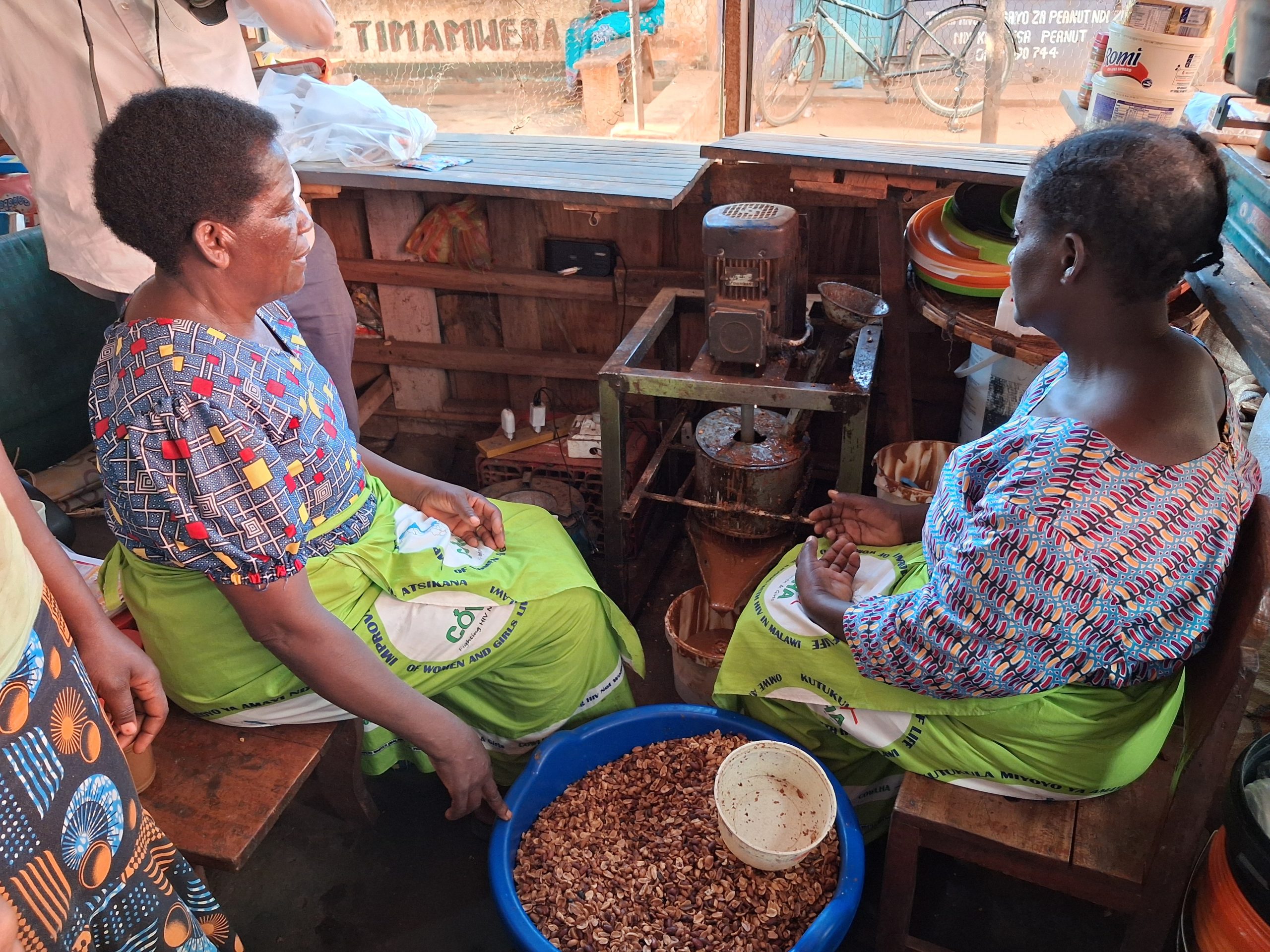
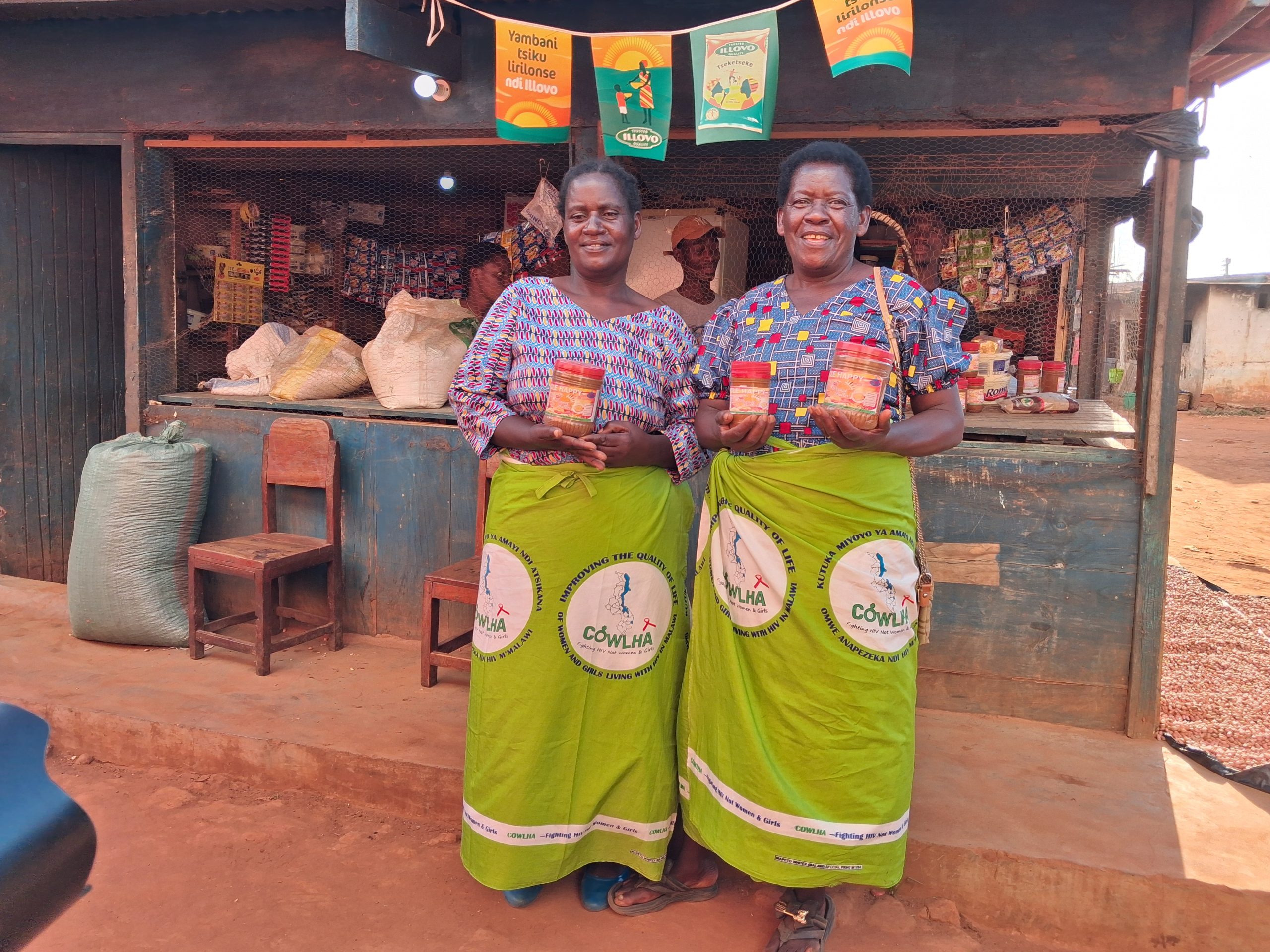
But their work does not stop at the clinic door. Over the years, and with support from COWLHA’s secretariat, the group has established income-generating activities that have widened their financial base and created employment opportunities for people in their community. Through their Village Savings Loan (VSL) scheme, they grow commercial groundnuts and have taken it a step further by adding value to their produce. They now manufacture peanut butter, packaged and sold under the brand name “Uncle Happy,” through a local merchant partnership they developed on their own terms.
These are not side projects. They are what makes sustained advocacy possible. When a support group can fund itself, it can speak louder and last longer.
The Warm Heart of Africa, Up Close
Eric Bond did not just observe from a distance. He sat with the group, listened to their experiences as mentor mothers, and came to understand the texture of the work that rarely makes it into reports or slide decks. Before the visit was over, the music started and he was on his feet.
That image, an EGPAF documentarian dancing with a support group of mentor mothers in rural Malawi, captures something worth holding onto. This work, at its best, is not transactional. It is relational. It is rooted in trust, joy, and shared purpose.
COWLHA remains committed to accelerating the elimination of mother-to-child HIV transmission, strengthening early infant diagnosis, and ensuring that children and adolescents living with HIV are retained in care. Entry points like the Luzi support group are not just service delivery channels. They are the living, breathing heart of that commitment.
To the Luzi support group: thank you for showing us, and the world, what it looks like when communities lead.